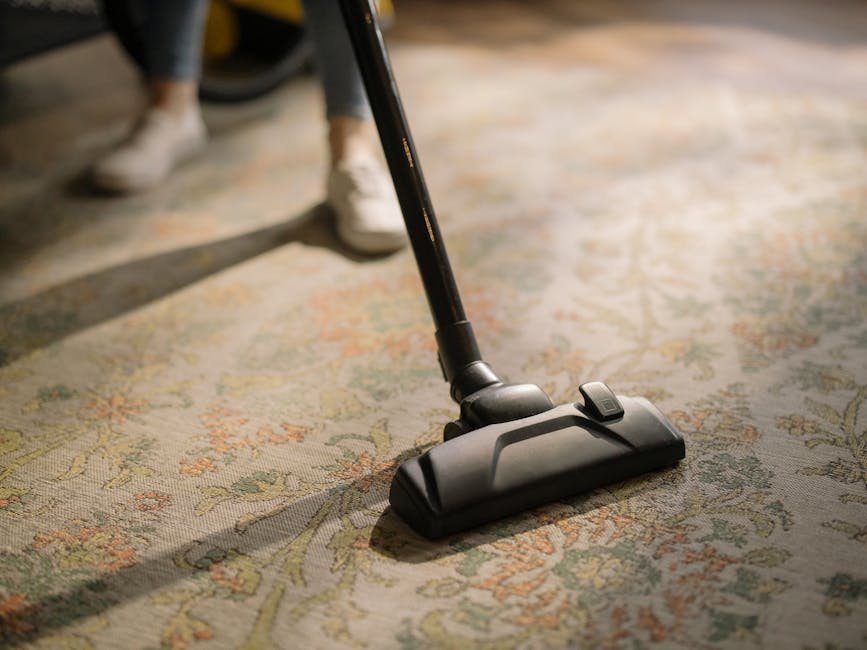
Carpet cleaning Brixton Market Electric Avenue guide
If you live, work, or trade around Brixton Market and Electric Avenue, carpet care can get complicated faster than you'd expect. Foot traffic is heavy, weather gets tracked in, and spills happen in the sort of busy, lived-in spaces where people barely have time to notice them until the stains settle. This Carpet cleaning Brixton Market Electric Avenue guide walks you through what matters, how professional cleaning works, what to avoid, and how to choose the right approach for real-world conditions in this part of South London.
Whether you're dealing with shop flooring near the market, a flat above the parade, or an office that sees people in and out all day, the aim is the same: cleaner carpets, better hygiene, and less wear over time. Let's keep it practical.
- Why this guide matters
- How carpet cleaning works locally
- Benefits and practical advantages
- Who needs it and when
- Step-by-step guidance
- Expert tips for better results
- Common mistakes to avoid
- Tools, resources and recommendations
- Law, compliance and best practice
- Options and comparison
- Real-world example
- Practical checklist
- Conclusion
- Frequently asked questions
Why Carpet cleaning Brixton Market Electric Avenue guide Matters
Carpets in and around Brixton Market and Electric Avenue tend to face a mix of challenges that aren't always obvious at first glance. There's the usual dust and footfall, of course, but also grime from food traffic, rainwater, outdoor debris, and the general push-and-pull of a very active neighbourhood. A carpet can look "fine" for months and still hold onto odours, allergens, and embedded soil. That hidden build-up is often what shortens carpet life.
In a busy commercial setting, dirty carpets can also quietly affect first impressions. People notice a lot in the first ten seconds, even if they don't say it out loud. A mat could be clean, the shelves tidy, the lighting spot-on, and still the floor tells a different story. In homes, it's often about comfort and air quality. In rental properties, it can be about deposit disputes and end-of-tenancy expectations. Different setting, same headache.
If you're already thinking beyond carpets, a broader clean can help too. Many customers pair carpet care with deep cleaning or domestic cleaning when they want the whole place to feel reset rather than just "tidied".
Expert summary: The best carpet cleaning decisions around Brixton Market and Electric Avenue are usually the boring ones: match the method to the fibre, dry the carpet properly, and don't let a small spill turn into a permanent patch. Simple, but it works.
How Carpet cleaning Brixton Market Electric Avenue guide Works
Professional carpet cleaning is not just about making fibres look brighter. It's about removing soil from below the surface, lifting residues left by DIY products, and restoring the pile without damaging the backing or shrinking the fabric. In most cases, the process starts with inspection. That sounds basic, but it matters. Wool, synthetic blends, loop pile, and delicate rugs all behave differently when moisture, heat, or agitation are applied.
Typical cleaning methods include hot water extraction, low-moisture cleaning, and targeted stain treatment. Hot water extraction is often used for heavily soiled domestic carpets because it reaches deep into the pile. Low-moisture methods can be useful where drying time needs to be shorter, such as in retail units or shared buildings. Spot treatment helps with tea, coffee, food, makeup, and the usual mystery marks that appear after a busy weekend.
If the issue is more specific, such as a rug in a reception area or upholstery that has picked up dust and spill residue, services like rug cleaning and upholstery cleaning can be a better fit than treating everything as one job.
The real trick is not speed. It's control. Good cleaners test an area first, choose the right detergent strength, and avoid flooding the carpet. Too much moisture is where plenty of problems start. You know that damp smell that doesn't quite go away? That one.
Key Benefits and Practical Advantages
There are several reasons people invest in carpet cleaning near Brixton Market and Electric Avenue, and they're not all cosmetic. A good clean can make a room feel lighter, fresher, and noticeably less tired. That may sound a bit dramatic, but walk into a recently cleaned flat on a wet London morning and you'll see what I mean. It changes the whole feel of the space.
- Improved appearance: colours look more even and the pile stands up better.
- Better hygiene: embedded dirt, crumbs, and residues are removed more effectively than vacuuming alone.
- Odour reduction: useful for homes, rental properties, and food-adjacent premises.
- Longer carpet life: grit acts like sandpaper, so removing it helps fibres last longer.
- Better customer experience: essential for shops, cafes, and office spaces where the floor is part of the brand.
- Less stress before inspections: especially helpful for tenants and landlords.
There's also a practical money angle. Regular maintenance usually costs less than replacement, and that's especially true in high-traffic areas where carpets wear unevenly. If you manage a larger property or want a full-service approach, a reliable cleaning company can coordinate carpet work with broader property care. For homes, you might prefer house cleaning or a one-time refresh through one-off cleaning.
Who This Is For and When It Makes Sense
This guide is useful if you're in almost any of the following situations:
- You live in a flat or house near Brixton Market and want to reduce tracked-in dirt.
- You run a retail unit, cafe, studio, or office near Electric Avenue and need a presentable entrance.
- You're moving out and want carpets to look cared for at the final inspection.
- You've had a spill, pet accident, or food stain that home cleaning has not shifted.
- You've had building or decorating work and the carpet now feels gritty or dusty.
- You manage shared accommodation and need a more durable maintenance plan.
In practical terms, the sooner you deal with soil and spills, the better the result tends to be. A fresh mark is usually easier to remove than an old one that has had time to oxidise or bond with the fibre. Not always, but often enough to be worth the effort.
For tenants in particular, it can make sense to combine carpet work with end of tenancy cleaning. That way, the soft furnishings, floors, and high-touch surfaces are handled together rather than in pieces. It's less faff, frankly.
Step-by-Step Guidance
If you want the best possible result, use a structured approach rather than guessing. Here's a sensible step-by-step process for carpet cleaning around Brixton Market Electric Avenue.
- Inspect the carpet carefully. Check the fibre type, stain locations, traffic lanes, and any signs of wear or loose seams.
- Vacuum thoroughly. Dry soil needs to be removed before any wet process begins. Otherwise you're just turning dust into paste.
- Identify stains and problem areas. Food, oil, mud, pet accidents, and drink spills all need different treatment.
- Test cleaning products in a small area. This is especially important with wool or patterned carpets.
- Apply the right method. Use extraction, low-moisture cleaning, or targeted spot treatment depending on the carpet's condition.
- Manage moisture properly. Avoid over-wetting and allow for proper drying with airflow.
- Post-clean groom the pile. This helps the carpet dry evenly and look more consistent.
- Check the result in daylight. Evening light can hide problems. Morning daylight near a window tells the truth.
If you're handling a property with mixed floor types, it may be more efficient to schedule hard floor cleaning alongside the carpet work. That gives the whole room a more balanced finish and saves repeating the same disruption twice.
Expert Tips for Better Results
A few small habits can improve the outcome a lot. These are the things people often skip, and then wonder why the carpet looks better for a week but not much longer.
- Blot, don't rub. Rubbing can spread the stain and rough up the pile.
- Work from the outside in. This helps prevent a stain from growing.
- Use minimal product first. More chemical does not mean more cleaning.
- Ventilate the room well. Open windows where possible and keep air moving.
- Think about traffic patterns. Entrances, hallways, and till points usually need more attention.
- Use protective mats where appropriate. Particularly helpful near doors and service areas.
- Schedule regular maintenance. Waiting until the carpet looks bad is usually more expensive in the long run.
Another useful point: if you're cleaning a business premises, don't forget the rest of the guest-facing environment. Carpets and windows are often judged together, because people notice light and cleanliness as a pair. A tidy floor under a dusty window is a bit like polishing one shoe and forgetting the other. A combined plan with window cleaning can make the whole place feel more intentional.
And yes, timing matters too. Cleaning just before a busy service period or open day is sensible, but doing it without enough drying time is asking for trouble.
Common Mistakes to Avoid
Here's where good intentions can go sideways. Most carpet damage comes from enthusiasm, not malice.
- Using too much water: this can lead to slow drying, odours, or browning.
- Applying random household cleaners: some products leave sticky residue or bleach the fibres.
- Ignoring the fibre type: wool and synthetics do not always respond the same way.
- Scrubbing aggressively: this can distort the pile and make the mark look worse.
- Leaving stains too long: older stains are more stubborn and often require a different approach.
- Skipping a dry vacuum first: it sounds minor, but it makes a real difference.
- Forgetting drying time: walking on a damp carpet too soon can re-soil it.
One common issue in market-adjacent areas is oily residue from food traffic. It's sneaky. It attracts dirt, darkens fibres, and can make a carpet look worn even when it's not physically damaged. That's one reason routine maintenance often beats rescue cleaning.
Tools, Resources and Recommendations
You don't need a massive toolkit to look after carpets well. But you do need the right basics.
| Method | Best for | Strengths | Limitations |
|---|---|---|---|
| Vacuuming | Routine maintenance | Removes loose dirt and grit, easy to repeat | Won't remove embedded stains or residues |
| Hot water extraction | Deep-cleaning most domestic carpets | Strong soil removal, effective for heavy use | Needs drying time, not ideal for every fibre |
| Low-moisture cleaning | Fast turnaround spaces | Shorter drying, less disruption | May be less powerful on deep contamination |
| Spot treatment | Fresh spills and localised marks | Targets specific problems efficiently | Wrong product can set the stain |
Recommended basics for everyday care:
- a reliable vacuum with decent suction;
- clean white cloths or towels for blotting;
- a neutral carpet-safe spot cleaner;
- a soft brush for light grooming;
- fans or open windows to speed drying.
If the carpet is part of a larger cleaning plan, some readers also look at carpet cleaning as a standalone service and then layer it with sofa cleaning when the whole room needs attention. That tends to feel more complete, and less piecemeal.
Law, Compliance, Standards, or Best Practice
For carpet cleaning in domestic and commercial settings, the most useful rule is simple: work safely and follow accepted cleaning best practice. If you're using professional cleaners, they should be able to explain what they're doing, what products they're using, and how they'll protect the carpet and surrounding surfaces.
In the UK, employers and property managers generally need to think about safe working practices, suitable products, and reasonable care for occupants and staff. That may include ventilation, slip risk during drying, and sensible handling of electrical equipment. You do not need to overcomplicate it, but you do need to think it through.
For example, if cleaning is happening in a public-facing business near Electric Avenue, access routes should be kept clear, floor conditions should be managed carefully, and drying areas should be signposted or blocked off where needed. It's plain common sense, but that's often what compliance looks like in practice.
Trust also matters. Reputable providers usually publish clear policies on safety, payment, and customer conduct. If that matters to you, it's worth reviewing pages such as health and safety policy, insurance and safety, payment and security, and terms and conditions. For environmental awareness, you may also want to read recycling and sustainability.
Options, Methods, or Comparison Table
Choosing the right carpet cleaning option depends on the situation, not just the stain. A family home, a rental flat, and a retail unit all need slightly different thinking. Here's a useful comparison.
| Option | Best use | Pros | Watch out for |
|---|---|---|---|
| DIY spot cleaning | Small fresh spills | Quick, cheap, immediate response | Easy to overdo, may leave residue |
| Regular professional carpet cleaning | Homes and offices with steady use | Deeper soil removal, more consistent finish | Needs planning for drying and access |
| Deep cleaning package | Heavy traffic or neglected carpets | More thorough reset of the room | Not always necessary for light maintenance |
| Combined service approach | Move-outs, refurbishments, busy premises | Efficient and more complete | Can take longer to coordinate |
For commercial spaces, it can also be sensible to combine flooring with office cleaning or, in a more public-facing environment, office cleaners who can keep the space presentable on an ongoing basis. That's especially useful if the carpet is only one part of the overall maintenance picture.
Case Study or Real-World Example
A small cafe-style business near Brixton Market had a recurring issue with darkened entrance carpet. The owner kept vacuuming, but by late afternoon the fibres looked flat and tired again. The problem wasn't just dirt on the surface; it was a mixture of grit, drink splash marks, and fine residue carried in by constant footfall.
Rather than chasing each stain individually, they took a more structured approach. First came a proper inspection and vacuum. Then the cleaner treated the traffic lane and the entrance edge separately, because those areas never soil evenly. The rug by the serving counter was handled as a separate item, which helped the cleaner avoid over-wetting the rest of the floor. Drying was managed with airflow and a bit of patience. No magic trick, just care.
The result was a cleaner entrance, less odour, and a better first impression for customers walking in that evening. The business didn't need a dramatic overhaul. It just needed the right method in the right place. That's the real lesson here, truth be told.
Practical Checklist
Use this checklist before booking or carrying out carpet cleaning near Brixton Market Electric Avenue.
- Identify the carpet fibre and construction.
- Check for loose seams, burns, or weak patches.
- Vacuum thoroughly before any wet cleaning.
- Test a small hidden area first.
- Match the cleaning method to the type of stain.
- Avoid over-wetting the carpet.
- Plan for drying time and ventilation.
- Move light furniture where safe and practical.
- Use clean cloths and appropriate products only.
- Inspect the result in daylight after drying.
- Consider pairing with other services if the whole room needs attention.
If you're refreshing a whole property, services such as home cleaners or cleaners can help you build a simple, manageable maintenance routine rather than letting jobs pile up. It's amazing how much lighter a place feels when the floors stop shouting at you.
Conclusion
Carpet cleaning around Brixton Market and Electric Avenue is really about matching a busy local environment with a sensible cleaning plan. You don't need a complicated strategy. You need the right method, good timing, and a bit of care around drying and product choice. Do that, and your carpets will usually look better, last longer, and feel far less tired underfoot.
The main thing is not to wait until the carpet is visibly struggling. Small, regular care is easier, cheaper, and less stressful than a big rescue job. And if you're managing a home, rental, shop, or office in this part of London, that practical approach pays off fast.
Get a free quote today and see how much you can save.
When a space feels clean underfoot, everything else tends to feel a bit more manageable too. That's not just tidying. That's breathing room.
Frequently Asked Questions
How often should carpets be cleaned near Brixton Market and Electric Avenue?
It depends on foot traffic, pets, children, and whether the space is domestic or commercial. Busy entrances and shopfronts usually need more frequent attention than a quiet bedroom.
Is professional carpet cleaning better than DIY cleaning?
For light spills, DIY blotting can be enough. For deep soil, odours, and old stains, professional cleaning usually gives a more even and longer-lasting result.
How long does carpet cleaning take to dry?
Drying time varies with method, fibre type, ventilation, and how much moisture was used. Good airflow helps a lot, and low-moisture methods generally dry faster.
Can carpet cleaning remove old stains?
Sometimes, yes, but not always. Old stains can bond with the fibres or become chemically set, so the outcome depends on the stain type and the carpet material.
Will carpet cleaning damage wool carpets?
It can if the wrong method or product is used. Wool needs careful testing, controlled moisture, and suitable cleaning agents. That's why fibre identification matters.
What should I do before a carpet cleaner arrives?
Clear small items, vacuum if possible, point out stains, and mention any known issues like loose seams, pet accidents, or previous cleaning attempts.
Is carpet cleaning worth it for rented flats?
Usually, yes. It helps carpets look cared for at the end of a tenancy and can reduce disputes over dirt, odour, or visible wear.
Can carpet cleaning help with smells from food or pets?
Yes, often. Odours are commonly trapped in the pile or under the surface, so a proper clean can make a noticeable difference.
Should I book carpet cleaning with other services?
If the room needs more than one thing done, it can be efficient to combine services. For example, carpet work may sit neatly alongside upholstery, sofas, or a broader domestic clean.
What is the biggest mistake people make with carpet stains?
Rubbing too hard. It sounds harmless, but it can spread the stain, damage the fibres, and make later treatment more difficult.
Do businesses near Electric Avenue need a different cleaning approach?
Often, yes. Commercial spaces tend to need more durable cleaning plans because of traffic, spill risk, and the need to keep the space presentable during the day.
How do I choose a trustworthy carpet cleaning provider?
Look for clear explanations, practical advice, visible safety and payment information, and a service approach that sounds measured rather than overpromised. Straight answers are a good sign.